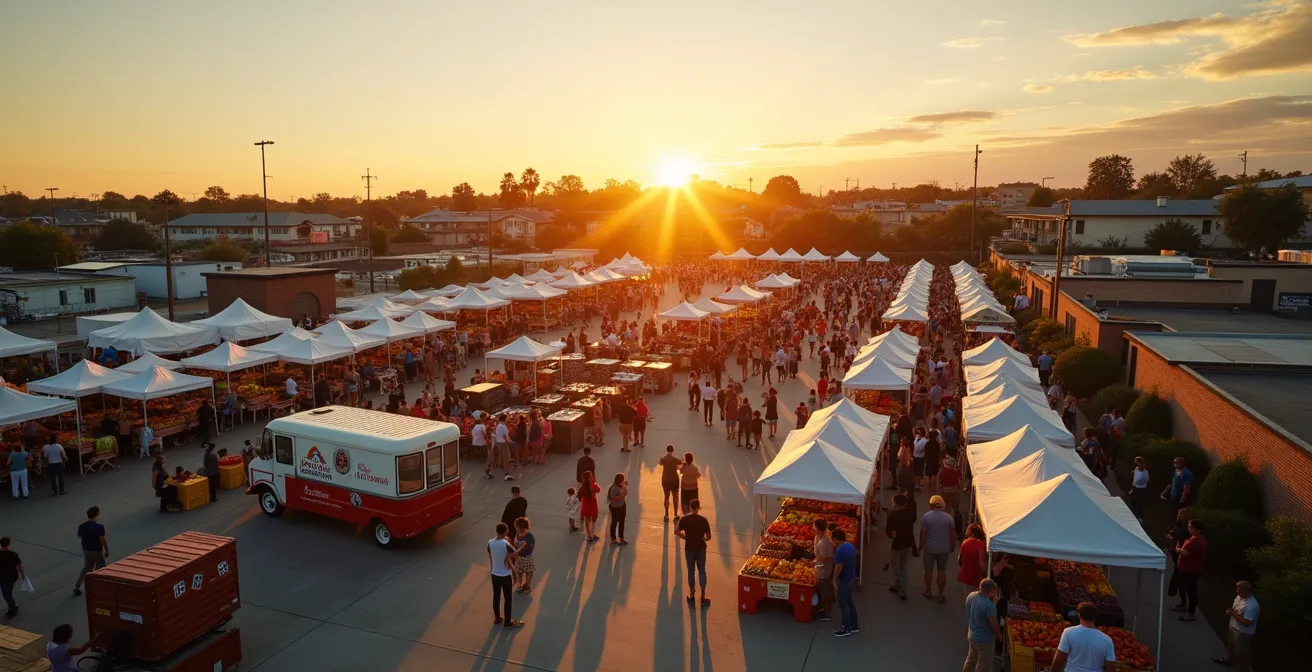
In summary:
- Trust the “Trucker Method”: A parking lot filled with commercial trucks is a reliable sign of good, affordable food.
- Read the “Restroom Proxy”: The cleanliness of the bathroom is a direct reflection of the kitchen’s standards.
- Master the “11 AM Advantage”: Stop for lunch before the noon rush to get the freshest food and avoid long waits.
- Decode the Menu: Avoid laminated, multi-lingual menus with pictures, and look for daily specials written on a chalkboard.
- Shop Smart: For quick meals, a local deli or butcher offers better quality and more unique options than a giant supermarket.
The endless stretch of highway, the setting sun, and the familiar glow of golden arches on the horizon. For any road tripper, this scene is a mix of comfort and crushing disappointment. You’re on an adventure to see the country, yet you’re eating the same burger you could get five minutes from home. The promise of authentic local diners and hidden culinary gems feels like a mirage, always just out of reach while you settle for another predictable fast-food meal. You know there’s better food out there, but how do you break the cycle when you’re in an unfamiliar town with only minutes to decide?
Most guides will tell you to “check Yelp” or “ask a local,” but this advice often falls flat. App reviews can be skewed by tourists, and finding a knowledgeable local at a random gas station is a gamble. The real secret isn’t about apps or luck; it’s about learning to read the hidden ‘culinary code’ of a place. It’s a series of real-world signals that broadcast where the good food is, signals that seasoned travelers and professional drivers have used for decades. This is about distinguishing the authentic signal from the tourist-trap noise.
This guide will teach you that code. We’ll move beyond generic advice and give you a field-tested system for discovering incredible local food. You’ll learn why a parking lot full of trucks is your best friend, how a restaurant’s bathroom tells you everything you need to know about its kitchen, and the perfect time to stop for lunch to get the best experience. Prepare to transform your road trip from a blur of fast food into a series of unforgettable dining adventures.
This article breaks down the essential strategies for finding authentic food on the road. Below, you’ll find a roadmap to help you navigate from roadside signs to the best plate of food in town.
Summary: Your Roadmap to Authentic Roadside Dining
- Why Many Trucks Outside Means the Food Is Good and Cheap?
- How to Spot the “House Special” That Is Actually Special?
- Roadside Picnic or Sit-Down Meal: Which Saves More Time?
- The Restroom Warning: What the Bathroom Tells You About the Kitchen
- When to Stop for Lunch to Avoid the 1 PM Rush?
- The Hygiene Mistakes That Cause Food Poisoning on Day 1
- Supermarket or Farmers Market: Where to Shop for Quick Dinners?
- How to Navigate a Vibrant Culinary Scene Without Falling for Tourist Traps?
Why Many Trucks Outside Means the Food Is Good and Cheap?
It’s the oldest rule in the road-tripper’s handbook: follow the truckers. This isn’t just folklore; it’s a sound economic principle. Professional drivers live on the road, and their livelihood depends on finding meals that are consistently good, fairly priced, and served efficiently. They are, in effect, a mobile network of food critics whose reviews are written in diesel fuel and parking spots. When you see a parking lot packed with semi-trucks, especially a mix of local contractors and long-haul rigs, it’s a powerful signal of broad appeal and reliability. These establishments have passed a rigorous, unwritten test of quality and value.
The logic is simple. A tourist might eat at a bad restaurant once, but a trucker who passes through weekly will not make the same mistake. They form habits around places that deliver. This is why food trucks have also become a massive part of the roadside culinary scene; recent industry statistics reveal that 78% of consumers now eat at them at least monthly, drawn by the same promise of authentic, specialized food. The key is to look for truck density during peak meal times, roughly between 11 AM and 2 PM for lunch. A high ratio of commercial trucks to passenger cars—aim for at least 60% trucks—is the gold standard.
But don’t just count the trucks; observe them. Are they parked during off-peak hours like 3 PM? This suggests a place with 24/7 reliability, a haven for drivers on any schedule. For even deeper intelligence, digital trucker communities on forums and Reddit offer specific, no-nonsense recommendations that Google Maps reviews can’t match. This “trucker method” is your first and most powerful tool for decoding a town’s culinary landscape and finding the places that prioritize good food over flashy marketing.
How to Spot the “House Special” That Is Actually Special?
You’ve found a promising local diner, and the menu arrives. Your eyes land on the “House Special.” Is it a genuine point of pride or a clever way to offload aging inventory? The difference between a memorable meal and a mediocre one often lies in your ability to discern a truly special dish from a designated tourist-pleaser. The secret is to look for clues and ask the right questions, moving beyond the menu itself and engaging with the people who know the food best. Think like a food documentarian, not just a customer.
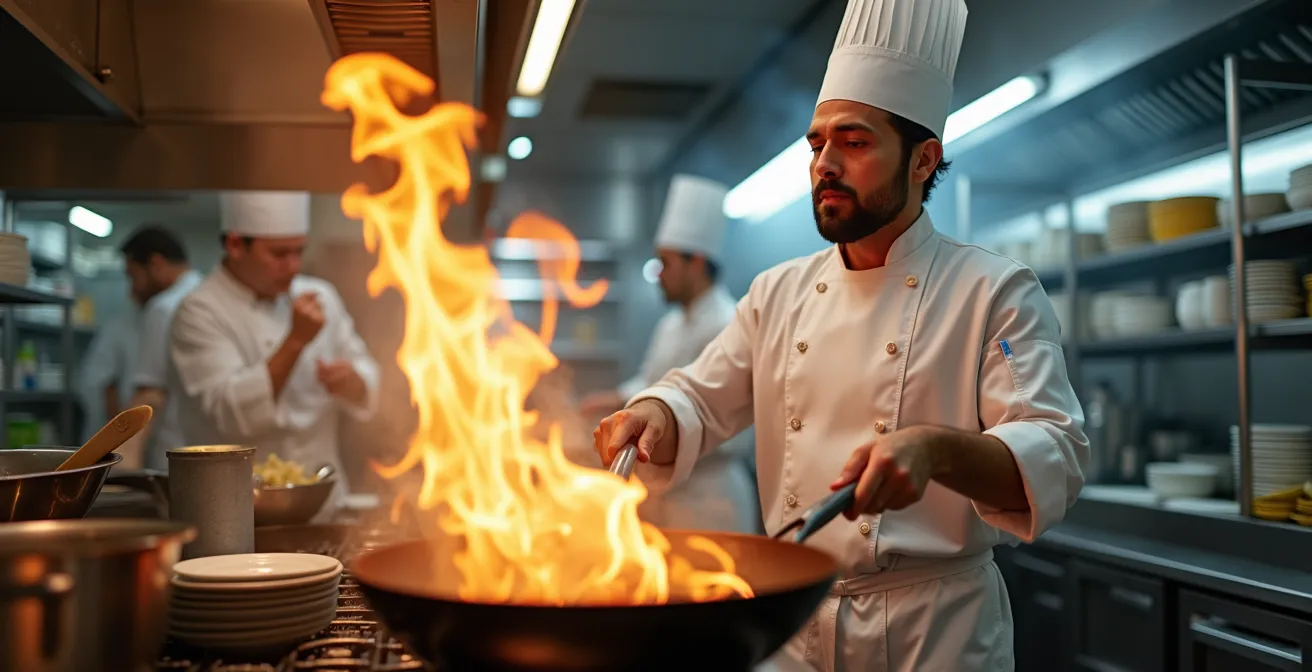
Consider the method of food explorer Trevor James, “The Food Ranger.” He discovers authentic specialties not by asking “What’s popular?” but by observing what locals are lining up for and asking vendors what their personal favorite dish is. This reframes the conversation from a sales pitch to a genuine recommendation. Instead of asking your server “What’s the house special?”, try a more personal approach: “What’s the one dish on the menu you’d tell your own family to order?” or “What is the kitchen most proud of today?” This simple change can unlock a completely different, more honest answer.
A truly special dish often has a story. It might be a grandmother’s recipe, a regional specialty that’s hard to find elsewhere, or a dish that requires a specific, time-consuming technique. Look for clues of this pride. Is the special written on a separate chalkboard, suggesting it changes based on fresh ingredients? Does the server’s face light up when they describe it? These are the signals that you’ve found a kitchen’s true signature, a dish prepared with passion and care. A generic, unchanging “House Special” is often a red flag, but one that comes with a story is an invitation to an authentic culinary experience.
Roadside Picnic or Sit-Down Meal: Which Saves More Time?
The road trip dilemma: you’re hungry, but you also want to make good time. Do you pull over for a proper sit-down meal, or do you assemble a makeshift picnic from a grocery store? The answer seems obvious—a picnic must be faster—but when you factor in all the variables, the calculation becomes more complex. A sit-down meal involves a single stop, while a picnic often requires multiple stops for supplies, finding a suitable spot, and cleanup. Your choice should depend not just on the clock, but on the kind of break your mind and body truly need.
A well-chosen sit-down meal at an off-peak time can be surprisingly efficient. You get a real mental break, use a clean restroom, and enjoy a hot meal without any of the logistical hassles of a picnic. On the other hand, a picnic offers freedom and the chance to eat in a scenic location. The “hybrid” approach—grabbing takeout from a great local spot and eating it at a nearby park—often provides the best of both worlds. The key time-saver is avoiding the rush. As industry data shows that 63.6% of food establishments report 5-8 PM as peak hours, planning your main meal outside these windows is critical.
To make an informed choice, consider the total investment of time and energy. This comparison highlights the true cost of each option.
| Factor | Roadside Picnic | Sit-Down Restaurant | Hybrid (Takeout + Park) |
|---|---|---|---|
| Total Time | 30-45 minutes | 75-90 minutes | 45-60 minutes |
| Parking Complexity | High (finding scenic spot) | Medium (restaurant lot) | Low (quick pickup) |
| Decision Fatigue | High (multiple stops) | Low (single choice) | Medium |
| Cost Range | $15-25 per person | $20-35 per person | $18-28 per person |
| Mental Break Quality | Variable | High | High |
Ultimately, a sit-down meal offers a superior mental break with lower decision fatigue, making it a more restorative option even if it takes a few minutes longer. If time is the absolute priority, the takeout-and-park hybrid is your most efficient bet. The classic roadside picnic, while romantic, is often the least efficient choice when all factors are considered.
The Restroom Warning: What the Bathroom Tells You About the Kitchen
Before you even glance at a menu, there’s a simple, five-minute test that can reveal almost everything you need to know about a restaurant’s standards: visit the restroom. This isn’t about being picky; it’s a powerful diagnostic tool. The state of the bathroom is often a direct proxy for the state of the kitchen. An owner who doesn’t care about a dirty, neglected public space is highly unlikely to enforce meticulous standards in a private one. Think of it as your own personal health inspection—the “restroom proxy” is a core concept in the culinary code.
What are you looking for? It’s not just about surface-level cleanliness. You’re looking for signs of systemic care or neglect. An empty soap dispenser or paper towel holder isn’t just an inconvenience; it means staff aren’t performing regular checks. Accumulated grime in corners or behind the door signals that cleaning is superficial, not deep. A broken hand dryer or a perpetually wobbly toilet fixture indicates a management that tolerates disrepair. These small details paint a picture of the overall operational philosophy. A restaurant that cuts corners on single-ply toilet paper is likely cutting corners on ingredient quality, too.
Conversely, a restroom that is clean, well-stocked, and smells of sanitizer—not just air freshener masking an underlying odor—shows a commitment to hygiene. It demonstrates that management has systems in place and that employees are following them. This attention to detail almost always extends to the kitchen. Before you commit to a meal, take the 60-second walk. It’s the most reliable and telling piece of intelligence you can gather about a place you’re considering for your next meal.
Your 60-Second Hygiene Audit: A Restroom Checklist
- Check Supplies: Are soap and paper towel dispensers full? Empty dispensers suggest infrequent maintenance checks.
- Inspect the Corners: Look at baseboards and behind the door. Is there accumulated grime, dust, or mold?
- Test the Fixtures: Are hand dryers, faucets, and toilets in good working order? Broken fixtures indicate a culture of neglect.
- Note the Odor: Can you smell a clean sanitizer scent, or is a pleasant smell just masking a musty or sewage-like odor?
- Observe the Details: Look for dust on top of dispensers and light fixtures. Even the quality of the toilet paper can hint at the owner’s cost-cutting mentality.
When to Stop for Lunch to Avoid the 1 PM Rush?
On a road trip, timing is everything. Arriving in a town at 1 PM for lunch is a recipe for frustration: long waits, stressed staff, and kitchens running low on their best dishes. The savvy traveler knows that the sweet spot for a perfect lunch experience isn’t during the rush, but on its fringes. By strategically timing your meal, you can enjoy a more relaxed atmosphere, better service, and often, better food. This is the “11 AM Advantage”, and it can completely transform your midday meal.
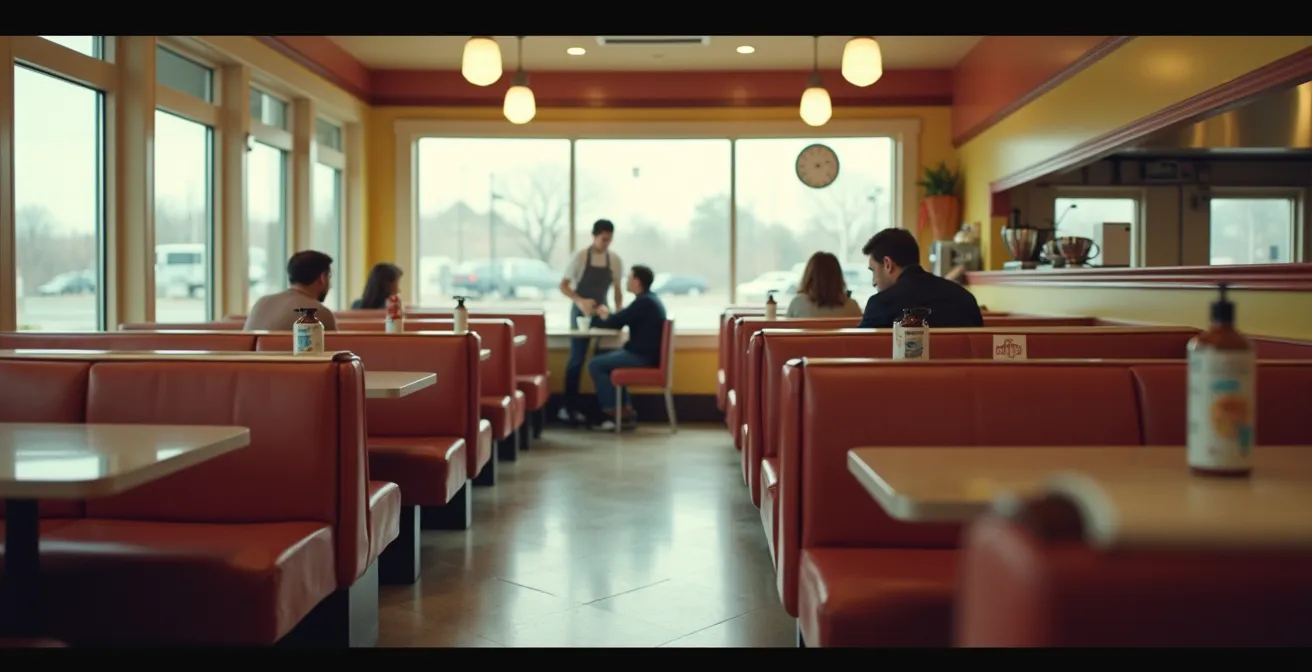
A recent survey of food truck operators—who are masters of managing rushes—revealed that the peak lunch crush overwhelmingly occurs from 11 AM to 2 PM. By stopping for lunch at 11 AM, you arrive as the kitchen is hitting its stride. The prep is fresh, the full menu is available, and the staff is energized and attentive. You get the best of what they have to offer before the chaos descends. Alternatively, arriving later, between 2 PM and 4 PM, offers a different kind of reward. The rush is over, the atmosphere is calm, and the staff has time to chat and offer more personalized service as they begin prepping for dinner service.
The “call-ahead” strategy is another powerful tool, especially for popular spots or food trucks. A quick call to place your order 20-30 minutes before you arrive can eliminate wait times entirely, a tactic that has been proven to increase sales and customer satisfaction. The worst time to eat is between 12:30 PM and 1:30 PM. This is when service is at its slowest and kitchens are most likely to be “in the weeds.” By simply shifting your lunch break by an hour in either direction, you bypass the biggest bottleneck and set yourself up for a far more enjoyable and efficient dining adventure.
The Hygiene Mistakes That Cause Food Poisoning on Day 1
Nothing ruins a road trip faster than a bout of food poisoning. While we often blame the last restaurant we ate at, the culprit is frequently our own food handling habits in the car. The enclosed space of a vehicle can become a high-risk environment for bacteria growth, especially on the first day of a trip when excitement is high and caution is low. Understanding and avoiding a few common hygiene mistakes is essential to ensure your adventure isn’t derailed by an entirely preventable illness.
The number one mistake is underestimating the heat inside your car. Even on a mild day, a car’s interior can quickly exceed 120°F (50°C), turning it into a perfect incubator for bacteria on any perishable foods. A sandwich or salad left on the seat for more than an hour can become a health hazard. Another common error is cross-contamination. Using the same bag for raw grocery items (like meat for a campsite dinner) and ready-to-eat snacks creates a direct path for harmful bacteria. Similarly, sharing a single large water bottle can easily transmit viruses among passengers.
Adopting a strict food safety protocol from the moment you pack the car is non-negotiable. It’s not about paranoia; it’s about creating simple, unbreakable rules that become second nature. These habits will protect your health and ensure your focus remains on the road ahead, not on finding the nearest restroom.
- Never leave perishables in the car: Food should be transferred to a cooler with ice packs within 30 minutes. The car is an oven, not a storage unit.
- Create separation: Use dedicated, separate bags for raw ingredients, prepared food, and non-food items to prevent cross-contamination.
- Use individual water bottles: Avoid sharing to stop the spread of germs. Label them with names to prevent mix-ups.
- Wash hands after fueling: Gas pump handles are among the dirtiest surfaces you’ll touch. Always wash your hands with soap for 20 seconds before handling food.
- Maintain cooler temperature: Your cooler must stay below 40°F (4°C). This means replacing the ice completely every 24 hours, not just topping it off.
Supermarket or Farmers Market: Where to Shop for Quick Dinners?
When you’re on the road and need to grab ingredients for a quick dinner at your Airbnb or campsite, the choice of where to shop can dramatically impact your meal. The sprawling supermarket seems like the obvious one-stop solution, but is it the best? A local farmers market, butcher, or deli can offer a far more authentic and flavorful experience, though each comes with its own trade-offs in terms of convenience and hours. Choosing the right venue depends entirely on your needs, your schedule, and the kind of meal you want to create.
The supermarket’s main advantage is convenience: long hours and an extensive range of prepared foods that require little to no kitchen equipment. However, it’s often poor for discovering unique local items. A farmers market, by contrast, is an excellent source of regional specialties, fresh produce, and artisanal products. But its hours are limited—often morning-only—and its offerings typically require a full kitchen to prepare. As the Eatwith travel platform has shown, travelers who get guidance from locals at markets discover significantly more regional specialties, turning a simple shopping trip into a cultural deep-dive.
For the road tripper, the sweet spot often lies with a local butcher or specialty deli. These shops offer the best of both worlds: high-quality local products and excellent prepared food options like cured meats, regional cheeses, and house-made salads or sandwiches. They operate on more convenient schedules than farmers markets and provide a curated selection that’s far superior to the supermarket’s generic offerings.
This comparative table breaks down the pros and cons of each shopping venue for a traveler.
| Criteria | Farmers Market | Supermarket | Local Butcher/Deli |
|---|---|---|---|
| Best Hours | Morning only (closes 2 PM) | All day | 9 AM – 7 PM |
| Unique Local Items | Excellent | Limited | Very Good |
| Prepared Food Options | Limited | Extensive | Excellent |
| Price Range | Premium | Variable | Mid-range |
| Equipment Needed | Full kitchen | None | Minimal |
While a supermarket is a reliable fallback, seeking out a local deli is your best strategy for a quick, delicious, and authentic dinner that reflects the character of the place you’re visiting. For more context, an analysis of authentic travel highlights how local food sourcing is key to the experience.
Key takeaways
- Authentic food discovery is a skill, not luck. It involves reading a “culinary code” of real-world signals.
- Simple observations—like the number of trucks in a lot, the cleanliness of a restroom, or the design of a menu—are more reliable than online reviews.
- Timing is crucial. Eating at off-peak hours (like 11 AM or 2:30 PM) dramatically improves the quality of your dining experience.
How to Navigate a Vibrant Culinary Scene Without Falling for Tourist Traps?
You’ve arrived in a town buzzing with culinary energy. The streets are lined with restaurants, each one vying for your attention. This is where the risk of falling into a tourist trap is highest. These establishments are designed to lure you in with prime locations and flashy signs, but they often deliver overpriced, mediocre food. Navigating this landscape requires a final layer of the culinary code: a strategy for actively avoiding the traps and zoning in on the places where locals spend their money. This is your final filter for ensuring an authentic experience.
The first rule is distance. Walk a minimum of three blocks away from any major tourist attraction or hotel hub before you even start looking. Tourist traps rely on convenience and foot traffic; authentic places thrive on reputation and repeat business from residents. Second, scrutinize the menu. A menu that is laminated, available in five languages, and filled with glossy photos is a massive red flag. It’s designed for one-time visitors, not regulars. A confident local establishment often has a simple, text-only menu that might even change daily. This trend towards authenticity is why research indicates that over 60% of millennials have sought out food trucks, which are the antithesis of the generic tourist-trap restaurant.
To confirm your choice, use the “Rule of Three.” Ask three different locals for a recommendation—not a hotel concierge, but a bookstore clerk, a barista, or a market vendor. If you hear the same name two or three times, you’ve likely found a beloved local institution. Finally, trust your eyes. Look for restaurants where the clientele seems to be local, where conversations are lively, and where the menu is concise and written in the local language. These are the hallmarks of a place that is confident in its food, not its ability to trap tourists.
Now that you’re armed with the food scout’s code, your next road trip can be the culinary adventure you’ve always wanted. Put these strategies into practice and start discovering the incredible local flavors waiting just beyond the highway exit.