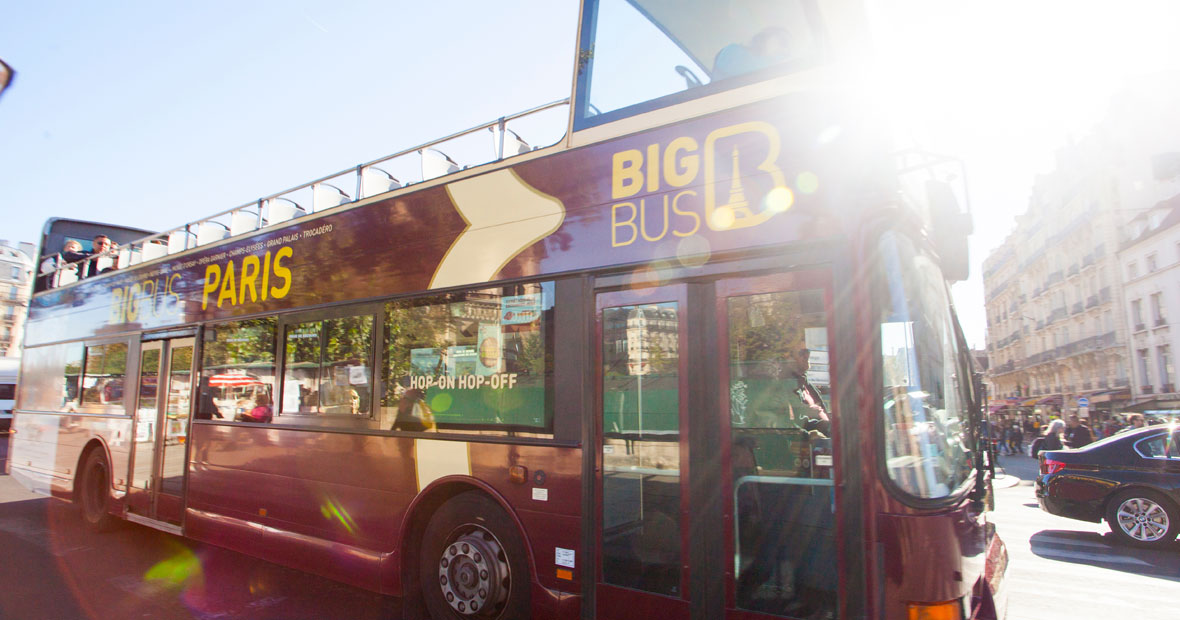
That moment when you realise you’ve spent forty minutes walking in the wrong direction, your feet ache, and the Eiffel Tower somehow looks further away than when you started. I’ve watched it happen to visitors countless times near Trocadéro. Paris has a way of humbling even the most confident navigators. The city sprawls across 105 square kilometres, and those charming little streets that look delightful on a map? They can turn a simple landmark visit into an exhausting odyssey.
Paris Hop-On Hop-Off in 30 Seconds
- Unlimited access to hop off at any stop, explore, and catch the next bus
- Tickets available for 1, 2, or 3 consecutive days from first use
- Multilingual audio guides and real-time bus tracking via mobile app
- Free cancellation typically available up to 24 hours before your tour date
Why Rigid Tours Leave You Frustrated (And What Actually Works)
I chatted with a solo traveller near the Louvre stop last October. Rainy afternoon. She wanted to see both banks of the Seine but daylight was fading fast. She’d booked a traditional guided tour earlier that week. Two hours locked into someone else’s schedule. Thirty seconds at Notre-Dame for photos. Rushed past the Conciergerie entirely.
That’s the fundamental problem with fixed itineraries. They treat Paris like a checklist rather than a city meant for wandering.

The hop-on hop-off concept flips this entirely. You’re not following a guide’s schedule. You’re creating your own. Spot something interesting from the upper deck? Hop off. Spent longer than expected at Sacré-Cœur because the view demanded it? No problem. Catch the next bus.
What ‘Unlimited Access’ Actually Means: Your ticket validity starts from first use, not from purchase. During that window—whether 24, 48, or 72 hours—you can board and exit as many times as you like at any stop on the route. No counting rides. No additional charges.
According to transit research from Human Transit, service every 10 minutes or better qualifies as genuine “frequent service”—the threshold where people stop checking schedules and just show up. That’s the difference between transportation and freedom.
How the Freedom System Actually Works in Practice
Forty-seven and a half million. That’s how many visitors Paris welcomed in 2023, according to 2025 Paris tourism statistics. The city generated €71 billion in tourism revenue in 2024. Competition for landmarks is fierce, which makes efficient routing essential.
47.5 million
visitors to Paris in 2023
Here’s how the system works on the ground. You purchase your ticket—options typically span 1, 2, or 3 days. You download the companion app. The app shows real-time bus locations, so you’re never left wondering if the next one is two minutes away or twenty.
How to Use the Hop-On Hop-Off System: 4 Steps
-
Activate your ticket
Show your mobile voucher or printed ticket when boarding. Your validity period starts now.
-
Grab a seat and plug in
Upper deck for views, lower deck if weather turns. Audio guides available in multiple languages including dedicated children’s channels.
-
Hop off when something catches your eye
No need to complete the full loop. Exit at any stop and explore the area at your own pace.
-
Track the next bus and hop back on
Use the app’s GPS tracking to see exactly when the next bus arrives at your stop.
What most people don’t realise: many Hop-on Hop-off Paris Sightseeing Tour packages include self-guided walking tours accessible through the same app. So you’re not just getting bus access—you’re getting structured neighbourhood exploration for places like Montmartre where buses can’t easily navigate.
Free Wi-Fi onboard means you can research your next stop while in transit. Look up opening hours. Check restaurant reviews. Send those photos to family back home.
Making the Most of Your Paris Days: Strategic Timing Tips
From what I’ve seen with visitors exploring Paris, the most common mistake is underestimating how much time they’ll want to spend at each stop. Many grab a single-day pass thinking they’ll race through everything, only to realise halfway through that they’d prefer to linger at the Louvre area or explore Montmartre properly.
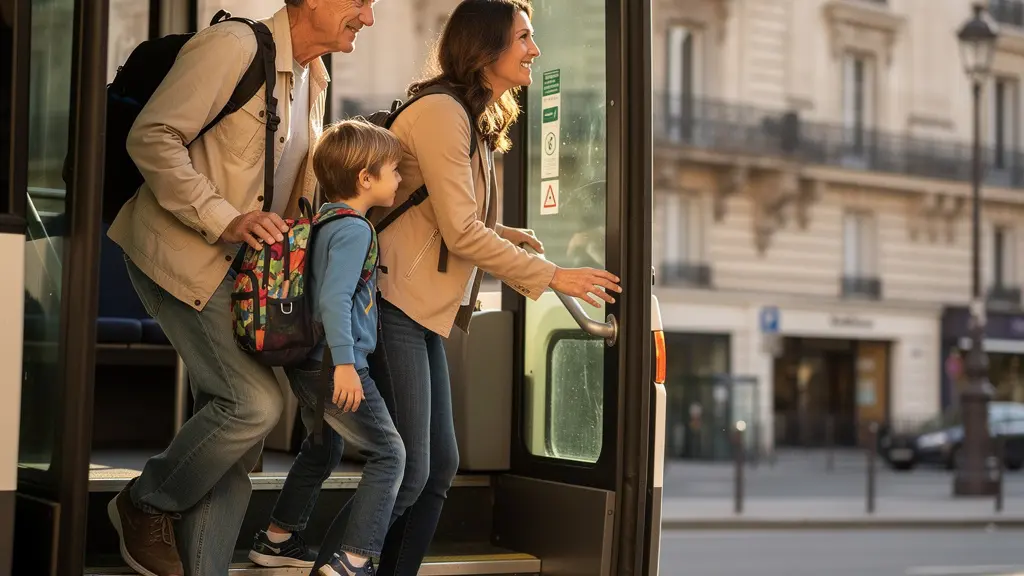
According to UNESCO heritage timing research, 40% of annual Eiffel Tower visitors arrive during summer months, creating average queue times of 90-120 minutes. Early morning—before 10am—offers optimal conditions with elevator waits under 15 minutes.
Which Ticket Duration Suits Your Trip: For first-timers wanting maximum coverage with minimum stress, I’d start with a 2-day pass rather than single-day. Spreading landmarks across two days means you can linger where you fall in love rather than rushing through everything. Three-day passes suit families with children or anyone who wants built-in rest time between major sites.
A strategic day might look like this: start at Opéra around 09:00, hop off at Champs-Élysées by 10:30 for a 90-minute exploration, then Trocadéro around noon for lunch with Eiffel Tower views. Afternoon: Notre-Dame area for about 90 minutes of walking. Return bus to your starting point by 17:00.
How a Manchester Couple Covered 8 Landmarks in 2 Days
I spoke with a couple from Manchester visiting Paris for their anniversary. Three-day trip, focused on romantic landmarks. They’d initially planned to walk everywhere. By day two, exhaustion hit hard. They’d missed Sacré-Cœur entirely.
They switched to hop-on hop-off for the remaining days. Upper deck for photos, lower deck when rain arrived. They covered the remaining landmarks comfortably and—here’s what stuck with me—actually enjoyed the experience instead of enduring it.
Combining bus tours with walking exploration often proves more efficient than either method alone. The concept of smart mobility for historical sites applies perfectly here: let the bus handle distances between neighbourhoods, then explore on foot once you arrive.
Your Hop-On Hop-Off Questions Answered
I hear the same concerns repeatedly. Fair questions. Let me address them directly.
Your Paris Bus Tour Questions Answered
What happens if I miss my planned stop?
Nothing dramatic. Stay on until the next stop or complete the full loop. The bus comes back around. That’s the whole point of unlimited access—no pressure, no penalties.
Are hop-on hop-off buses good for families with children?
Honestly? Yes. Children get bored with long walks. The upper deck feels like an adventure. Audio guides often include dedicated children’s channels. And when someone needs a toilet break or snack stop, you simply hop off.
What if it rains during my tour?
Lower deck. Climate-controlled, covered, comfortable. The audio guide works the same. You’re not trapped outside.
Can I really see all major landmarks with one ticket?
Routes typically connect Eiffel Tower, Champs-Élysées, Louvre, Notre-Dame, and Montmartre areas. Whether you can properly experience them all depends on your ticket duration. Single-day: overview. Multi-day: genuine exploration.
Is the audio guide actually useful?
More than expected. It fills the gaps between stops with historical context and insider details you’d miss otherwise. Multiple languages available. Children’s versions keep younger travellers engaged.
Your Next Move
Before You Book: Quick Checklist
-
Count your available sightseeing days, then add one for the ticket duration
-
Download the tracking app before arrival—test it works with your phone
-
Check the 24-hour cancellation window if your plans might shift
Paris rewards those who wander without rushing. The question isn’t whether hop-on hop-off works—it’s whether you’re ready to let go of the rigid itinerary and see where the city takes you.