Cruises & Boats
The world of cruises and boats offers an extraordinary way to experience travel, combining transportation, accommodation, and entertainment into a single floating experience. Whether you’re drawn to the grandeur of ocean liners, the intimacy of river vessels, or the adventure of expedition ships, understanding the landscape of cruise travel opens doors to unforgettable journeys across the globe’s most captivating waterways.
For many travelers, the appeal lies in the unique balance of exploration and comfort—waking up in a new destination without the hassle of packing and unpacking, enjoying world-class dining and entertainment, and accessing remote locations that land-based travel simply cannot reach. This comprehensive resource will walk you through everything from selecting the right type of cruise to mastering the art of onboard life, ensuring your maritime adventure aligns perfectly with your travel style and expectations.
Understanding Different Types of Cruises
The cruise industry has evolved far beyond the traditional ocean liner experience, now offering specialized voyages tailored to virtually every traveler preference and destination curiosity. Recognizing these distinctions is fundamental to choosing an experience that matches your expectations.
Ocean Cruises: The Classic Experience
Ocean cruises represent the most recognized form of cruise travel, with vessels ranging from mid-sized ships carrying 1,000 passengers to mega-ships accommodating over 6,000 guests. These floating resorts typically feature multiple dining venues, theaters, pools, fitness centers, and entertainment options that rival land-based resorts. Think of them as destination-hopping hotels where the journey itself becomes as significant as the ports you visit. Popular itineraries include Caribbean island chains, Mediterranean coastal cities, and Alaskan fjords, with voyage lengths typically spanning seven to fourteen days.
River Cruises: Intimate Cultural Immersion
River cruising offers a distinctly different experience, with smaller vessels (typically 100-200 passengers) navigating inland waterways like the Danube, Rhine, Mekong, or Mississippi. The intimacy of these ships creates a more personalized atmosphere, while their ability to dock in city centers means you’ll often step directly into historic town squares rather than requiring shuttle buses from distant ports. River cruises emphasize cultural enrichment and regional cuisine, making them ideal for travelers prioritizing authentic local experiences over flashy onboard entertainment.
Expedition and Adventure Cruises
For travelers seeking remote wilderness and wildlife encounters, expedition cruises deliver access to destinations like Antarctica, the Galápagos Islands, or the Arctic. These vessels prioritize destination expertise over entertainment amenities, featuring naturalist guides, zodiac landing craft, and smaller passenger counts (often under 200) that minimize environmental impact while maximizing flexibility. The focus shifts from onboard luxury to once-in-a-lifetime experiences: kayaking among glaciers, observing penguin colonies, or snorkeling with sea lions.
How to Choose the Right Vessel for Your Journey
Selecting the appropriate ship involves balancing several factors, each significantly impacting your overall experience. The vessel itself shapes your voyage as much as the destinations on the itinerary.
Ship Size and Atmosphere
Vessel size fundamentally determines the cruise atmosphere and capabilities. Mega-ships (3,000+ passengers) offer extraordinary variety—Broadway-style shows, multiple specialty restaurants, water parks, and rock-climbing walls—but can feel crowded during embarkation and at popular onboard venues. Mid-sized ships (1,000-3,000 passengers) strike a balance between amenities and intimacy, while small ships (under 1,000 passengers) provide a more relaxed pace and can access ports too small for larger vessels, such as Croatia’s Dalmatian Coast towns or French Polynesian islands.
Onboard Amenities and Services
Contemporary cruise vessels vary dramatically in their offerings. Consider what matters most to your travel style:
- Dining options: Traditional set dining versus flexible anytime dining, specialty restaurants, dietary accommodation capabilities
- Entertainment: Production shows, live music venues, casinos, enrichment lectures
- Wellness facilities: Spa services, fitness centers, outdoor activities like zip lines or sports courts
- Cabin configurations: Interior, ocean view, balcony, or suite accommodations, each impacting both budget and experience
- Family-friendly features: Kids’ clubs, water slides, teen lounges versus adult-only quiet zones
Cruise Line Positioning and Culture
Different cruise lines cultivate distinct onboard cultures. Some emphasize formal elegance with dress codes and traditional service, while others adopt a casual, resort-style atmosphere. Luxury lines offer all-inclusive pricing with premium beverages, shore excursions, and gratuities included, whereas mainstream lines use a base-fare model with additional charges for extras. Researching a line’s positioning—whether family-focused, adults-only, luxury, contemporary, or budget-oriented—ensures alignment with your vacation expectations.
Planning and Preparing for Your Voyage
Successful cruise experiences begin long before you step aboard. Strategic planning maximizes both value and enjoyment while minimizing common frustrations.
Timing and Booking Strategies
Cruise pricing fluctuates based on season, demand, and booking timing. Shoulder seasons—the periods just before or after peak travel times—often deliver the best value, offering pleasant weather with fewer crowds and lower fares. For instance, Mediterranean cruises in May or October typically cost significantly less than July sailings while avoiding summer heat. Booking well in advance (9-12 months) or last-minute (within 90 days) can yield substantial savings, though the latter limits cabin selection and shore excursion availability.
Documentation and Health Considerations
International cruises require proper documentation, typically a passport valid for at least six months beyond your travel dates. Some itineraries demand visas for specific ports, which you must arrange independently before departure. Health preparations vary by destination—tropical itineraries may require vaccinations or malaria prophylaxis, while all passengers should consider travel insurance covering medical evacuation, which can be extraordinarily expensive from remote ports.
Shore Excursion Planning
Ports of call present opportunities for exploration, but the limited time in each location demands strategic planning. Ship-organized excursions guarantee return before departure (the ship will wait for its own tours but not for independent travelers), provide expert guides, and eliminate transportation logistics. However, they typically cost more than independent exploration or private tour operators booked in advance. Consider a balanced approach: book ship excursions for complex or remote ports while exploring walkable cities independently.
What to Expect During Your Time Onboard
Understanding the rhythm and culture of shipboard life helps you maximize enjoyment and avoid common pitfalls that can diminish the experience.
Daily Routines and Schedules
Cruise days follow a predictable but flexible rhythm. Port days begin early, with breakfast available from early morning and disembarkation typically starting around 8:00 AM. All-aboard times—the deadline for returning to the ship—are strictly enforced, usually set 30-60 minutes before departure. Sea days offer a more relaxed pace, with passengers enjoying onboard amenities, entertainment, and dining without the pressure of shore excursions. Most ships deliver a daily newsletter to your cabin outlining activities, dining times, entertainment schedules, and important announcements.
Dining Experiences and Options
Cruise dining has evolved from rigid seating assignments to flexible, varied options. Main dining rooms typically offer both traditional fixed seating (same table and servers each evening) and flexible dining (arrive when you choose within service hours). Buffet venues provide casual breakfast and lunch options, while specialty restaurants—often requiring reservations and additional fees—serve cuisines from Italian to Asian fusion to steakhouse fare. Most lines now accommodate dietary restrictions including vegetarian, vegan, gluten-free, and kosher meals with advance notice.
Onboard Etiquette and Social Culture
Cruises create unique social environments where you’ll encounter the same fellow passengers repeatedly. Most travelers find this fosters friendly interactions, particularly at assigned dining tables or during activities. While formality varies by cruise line, general courtesy applies: respecting quiet zones, arriving punctually for tours, avoiding excessive deck chair reservation, and tipping service staff appropriately. Many ships designate formal, semi-formal, and casual evenings, with suggested dress codes published in advance.
Popular Cruise Destinations and What They Offer
Geography fundamentally shapes the cruise experience, with each region offering distinct attractions, climates, and port characteristics worth understanding before booking.
Caribbean: Tropical Paradise and Beach Culture
The Caribbean remains the world’s most popular cruise region, offering year-round warm weather, turquoise waters, and diverse island cultures. Eastern Caribbean itineraries typically visit the Virgin Islands, St. Maarten, and Puerto Rico, emphasizing beaches and water sports. Western Caribbean routes include Jamaica, Cayman Islands, and Cozumel, with opportunities for Mayan ruins and adventure activities. Southern Caribbean voyages reach less-developed islands like Aruba, Bonaire, and Barbados, offering more authentic cultural experiences and fewer crowds.
Mediterranean: History, Culture, and Cuisine
Mediterranean cruises combine ancient history with contemporary culture, accessing iconic cities that would require complex logistics for land-based travelers. Western Mediterranean itineraries connect Barcelona, French Riviera ports, Rome (via Civitavecchia), and Florence (via Livorno). Eastern Mediterranean voyages explore Greek islands, Turkish coastal cities, and sometimes extend to Croatia or the Holy Land. The region’s concentrated cultural treasures make it ideal for travelers who enjoy museums, archaeological sites, and culinary diversity.
Alaska: Wilderness and Wildlife
Alaskan cruises showcase dramatic glaciers, fjords, and wildlife against a backdrop of small frontier towns. The Inside Passage route navigates protected waters between islands, visiting ports like Juneau, Ketchikan, and Skagway while cruising past calving glaciers and searching for whales, bears, and eagles. These voyages operate only during the May-September season and appeal particularly to nature enthusiasts and photographers willing to embrace cooler temperatures for spectacular scenery.
Practical Tips for First-Time Cruisers
Avoiding common mistakes enhances comfort and value, particularly for those new to cruise travel who may not anticipate the unique aspects of shipboard life.
Pack strategically by including items often overlooked: a small power strip (cabins typically have limited outlets), magnetic hooks for metal cabin walls, motion sickness remedies even if you don’t typically experience seasickness, and a refillable water bottle since staying hydrated in warm climates is essential. Remember that cabin space is limited—think compact and use soft luggage that can be stored under beds.
Understand the financial model aboard your ship. Most cruise lines use cashless systems where you link a credit card to your cabin key, making onboard purchases effortless but potentially excessive. Gratuities for service staff are typically added automatically (though often adjustable) at rates around $12-15 per person daily on mainstream lines. Beverage packages can offer value for frequent drinkers but require careful calculation—you must consume enough drinks daily to exceed the package cost.
Arrive at your embarkation city at least one day early whenever possible. Flight delays happen, and missing your ship’s departure creates logistical nightmares and financial losses. That buffer day also reduces travel stress and allows you to begin your vacation relaxed rather than rushed.
Finally, maintain realistic expectations about port time. While itineraries may list exotic destinations, you’ll typically have only 6-8 hours in each port—enough for a meaningful taste but not deep exploration. Prioritize what matters most in each location rather than attempting to see everything, and remember that cruise travel is about collecting experiences across multiple destinations rather than fully immersing in any single one.
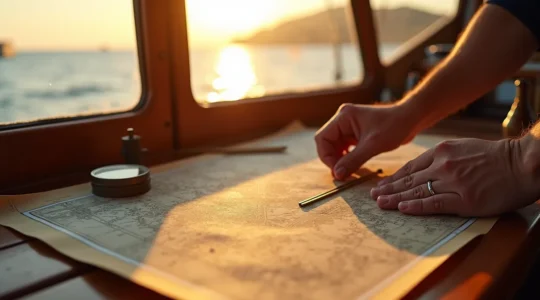
How to Navigate Coastal Waters Safely Without Relying Solely on Electronics?
In summary: True navigational safety isn’t about replacing electronics, but about developing a mindset of constant cross-validation. Mastering tides, charts, and visual references transforms you from a passenger of technology to a commander of your vessel. Developing a “big picture”…
Read more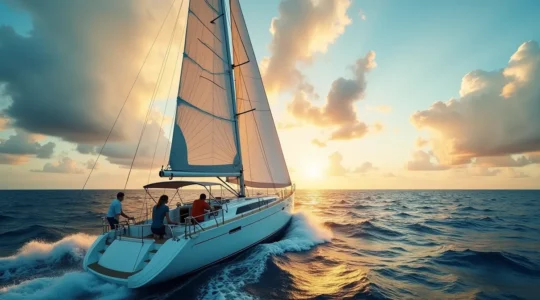
How to Transition From Motor Cruising to Active Sailing on Your Next Trip?
In summary: Transitioning to sailing is a full-body engagement, shifting you from a passive passenger to an active pilot who works with the elements. Success depends on a mental shift towards “resource discipline”—meticulously planning water, food, and even luggage space….
Read more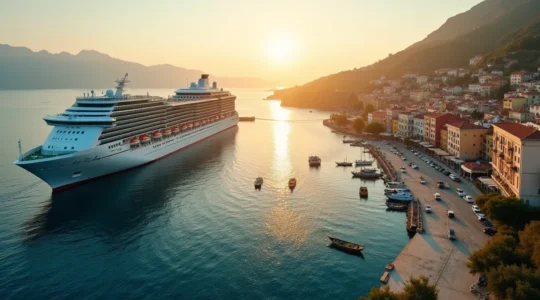
How to Explore Exotic Ports in Under 8 Hours Without Feeling Rushed?
The frustration of a rushed, superficial port day isn’t due to a lack of time, but a lack of strategy. The key is to shift from a tourist’s checklist to a tactical explorer’s mission plan. Prioritize “value-density” over seeing everything,…
Read more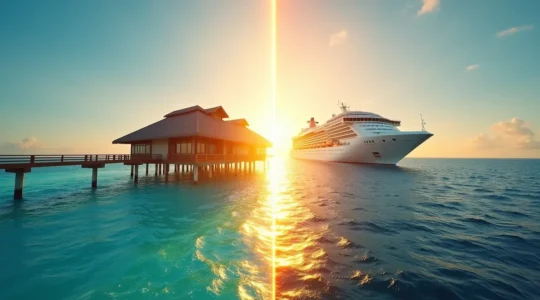
Floating Resort vs. Luxury Cruise: A Discerning Traveler’s Guide to Maritime Stays
The choice between a stationary overwater villa and a moving luxury vessel is not about motion, but about two opposing philosophies of experiencing a destination. A floating resort offers a single, perfectly framed “masterpiece view,” engineered for absolute stability and…
Read more