Beaches & Islands
Few travel experiences capture the imagination quite like the promise of pristine beaches and remote islands. The rhythmic sound of waves, the warmth of sun-kissed sand, and the vast expanse of azure waters create an irresistible allure that draws millions of travelers annually. Whether you’re seeking adventure beneath the surface, tranquility on secluded shores, or vibrant coastal cultures, beach and island destinations offer an extraordinary diversity of experiences that cater to every type of traveler.
Understanding the different types of coastal environments, their unique ecosystems, and the practical considerations for visiting them can transform a simple beach vacation into a truly memorable journey. This comprehensive resource explores everything from the geological formations that create these natural wonders to the activities that make them unforgettable, while addressing the growing importance of protecting these fragile environments for future generations.
What Makes Beaches and Islands Unique Travel Destinations?
Beaches and islands occupy a special place in the travel landscape because they offer something rarely found elsewhere: the meeting point of multiple ecosystems. These transitional zones where land encounters sea create extraordinary biodiversity and visual beauty. The interplay of tides, currents, and coastal geography produces ever-changing landscapes that ensure no two visits are identical.
The psychological appeal runs deeper than aesthetics. Research in environmental psychology suggests that proximity to water has measurable effects on well-being, reducing stress hormones and promoting relaxation. The concept of “blue space”—environments dominated by water—has gained recognition for its therapeutic qualities. This explains why beach vacations consistently rank among travelers’ top preferences, transcending cultural and geographic boundaries.
Beyond the wellness benefits, coastal destinations provide unparalleled access to marine recreation and exploration. From snorkeling vibrant coral reefs to sailing across island chains, these environments enable activities impossible in landlocked regions. The relative isolation of many islands has also preserved unique cultures, culinary traditions, and wildlife found nowhere else on Earth, making them living museums of natural and human history.
Types of Coastal and Island Escapes
Not all beaches and islands are created equal. Understanding the distinct characteristics of different coastal environments helps travelers align their expectations with reality and choose destinations that match their preferences.
Tropical Paradise Islands
Located between the Tropic of Cancer and the Tropic of Capricorn, tropical islands epitomize the classic beach vacation. These destinations feature year-round warm temperatures, coconut palms, and crystalline waters in shades of turquoise. Island chains like the Maldives, Seychelles, and Caribbean archipelagos showcase this category at its finest. The consistent climate makes them ideal for travelers seeking guaranteed sunshine, though hurricane seasons and monsoons require consideration during trip planning.
Mediterranean and Temperate Shores
Mediterranean beaches offer a different appeal: ancient history meets coastal beauty. Greek islands, the Croatian coast, and southern France combine beach relaxation with cultural immersion, archaeological sites, and renowned cuisine. Temperate beaches in regions like California, Australia’s southern coast, or the Mediterranean experience seasonal variations that attract different visitor types—surfers in winter, sun-seekers in summer. The cooler waters and dramatic coastlines provide stunning photography opportunities and vigorous outdoor activities.
Remote and Untouched Islands
For adventurous travelers, remote islands represent the ultimate escape. Destinations like the Galápagos, Faroe Islands, or Pacific atolls require significant effort to reach but reward visitors with pristine ecosystems and unparalleled solitude. These locations often have limited infrastructure, which preserves their natural state but demands careful preparation and flexibility from visitors. The wildlife encounters and sense of discovery make them bucket-list destinations for nature enthusiasts.
Mainland Beaches and Coastal Towns
Not all exceptional beach experiences require island-hopping. Mainland coastal destinations offer easier accessibility while maintaining beach appeal. Areas like Thailand’s Andaman coast, Mexico’s Riviera Maya, or Portugal’s Algarve provide diverse accommodation options, easy transport connections, and the ability to combine beach time with inland exploration. This category suits travelers who prefer variety and convenience without sacrificing coastal beauty.
Understanding Island Ecosystems and Beach Environments
The spectacular beauty of beaches and islands stems from complex ecological systems that have evolved over millennia. Appreciating these natural processes enhances the travel experience and underscores the importance of conservation.
Coral reefs function as the rainforests of the ocean, supporting approximately 25% of all marine species despite covering less than 1% of the ocean floor. These living structures, built by tiny polyps over centuries, create the foundation for island formation in tropical regions. The symbiotic relationship between coral and algae produces the vibrant colors that make snorkeling and diving so captivating. However, these ecosystems are remarkably sensitive to temperature changes, pollution, and physical damage, making them barometers of ocean health.
Beach composition tells stories of geological history. White sand beaches often contain pulverized coral and shells, while black sand beaches reveal volcanic origins. Pink sand beaches, like those in Bermuda or the Bahamas, owe their hue to microscopic organisms called foraminifera. Understanding these origins transforms a simple walk along the shore into a lesson in natural history.
Coastal vegetation plays crucial protective roles beyond aesthetics. Mangrove forests stabilize shorelines, filter pollutants, and provide nurseries for juvenile fish. Beach grasses and dunes form natural barriers against erosion and storm surge. Many travelers don’t realize that these seemingly decorative plants are actually engineering marvels that protect both the land and the communities that inhabit it.
Planning Your Beach or Island Vacation
Successful beach and island trips require different preparation than other travel styles. The combination of water exposure, sun intensity, and often remote locations demands thoughtful planning.
Timing and Seasonal Considerations
Unlike city destinations where seasons primarily affect comfort, coastal timing can determine whether your trip is magical or miserable. Dry and wet seasons dramatically impact tropical destinations, with monsoon periods bringing persistent rain and rough seas that limit activities. Hurricane seasons in the Caribbean (June through November) and cyclone seasons in the Indian Ocean and South Pacific pose genuine safety concerns. Conversely, shoulder seasons often provide ideal conditions with fewer crowds and better value, though this varies by destination.
Essential Packing and Preparation
Beach vacations demand specific gear that novice travelers often underestimate. Quality reef-safe sunscreen protects both your skin and marine ecosystems—traditional sunscreens containing oxybenzone and octinoxate damage coral reefs and are banned in several destinations. A well-fitted snorkel mask, water shoes for rocky entries, and quick-dry clothing make significant comfort differences. For island destinations with limited shopping, bringing adequate supplies of prescriptions, preferred toiletries, and any specialized equipment prevents frustration.
Logistical Considerations for Islands
Island destinations present unique logistical challenges. Many require multiple transportation modes—flights to gateway cities, smaller planes to regional airports, then boats to final destinations. These connections are often weather-dependent and may not operate daily. Travelers should build flexibility into tight schedules and consider travel insurance that covers weather delays. Additionally, island communities may have limited medical facilities, ATMs, or reliable internet, requiring advanced preparation that mainland destinations don’t demand.
Popular Activities on Beaches and Islands
The appeal of coastal destinations extends far beyond sunbathing. The diversity of available activities caters to energy levels from completely passive to intensely athletic.
Water-based activities dominate the activity landscape. Snorkeling provides accessible underwater exploration for all skill levels, revealing marine life ecosystems within meters of shore. Scuba diving opens deeper realms, with certification courses available at most major beach destinations. Surfing, kayaking, paddleboarding, and sailing each offer different ways to engage with ocean environments, from adrenaline-fueled to meditative.
Land-based island activities often surprise first-time visitors with their variety. Many islands feature exceptional hiking trails that lead to panoramic viewpoints, hidden beaches, or through unique ecosystems. Cultural experiences—local markets, traditional fishing demonstrations, cooking classes featuring seafood—provide depth beyond the beach. Wildlife watching opportunities range from sea turtle nesting to whale migration, depending on location and season.
The simple pleasure of beach relaxation deserves recognition as an activity in itself. The combination of negative ions from ocean spray, vitamin D from sun exposure (with appropriate protection), and the meditative quality of wave sounds creates restorative experiences that justify travel without packed itineraries. Many travelers discover that their most memorable beach moments came from unstructured time rather than scheduled activities.
Protecting Paradise: Sustainable Beach Tourism
The popularity of beach and island destinations has created environmental pressures that threaten the very qualities that attract visitors. Understanding and practicing sustainable tourism isn’t just ethical—it’s essential for preserving these destinations for future travelers.
Physical damage to coral reefs represents one of the most visible impacts. Touching, standing on, or kicking coral during snorkeling causes damage that takes decades to repair. Similarly, collecting shells, coral fragments, or marine life removes essential ecosystem components. Many popular beaches now suffer from erosion exacerbated by coastal development and sand removal, creating a paradox where tourism infrastructure degrades the beach it was built to access.
Plastic pollution has reached crisis levels in marine environments. Single-use plastics from coastal tourism—water bottles, straws, food packaging—enter ocean currents and accumulate in gyres or wash onto remote beaches. Travelers can significantly reduce their impact by carrying reusable water bottles, shopping bags, and utensils. Participating in beach cleanups, even informally during morning walks, makes tangible differences.
Supporting local economies rather than international resort chains ensures tourism benefits island communities. Eating at locally-owned restaurants, hiring local guides, and purchasing authentic crafts directs revenue to residents rather than distant corporations. This economic sustainability helps communities maintain their cultural identity while creating incentives for environmental protection—when locals benefit from pristine nature, they become its most effective guardians.
As you plan your beach or island adventure, remember that these destinations offer far more than postcard-perfect scenery. They’re complex ecosystems with fascinating natural processes, diverse cultural heritage, and opportunities for both adventure and restoration. By understanding what makes each type of coastal environment unique and approaching them with respect and preparation, you’ll create richer travel experiences while helping preserve these remarkable places for generations to come.
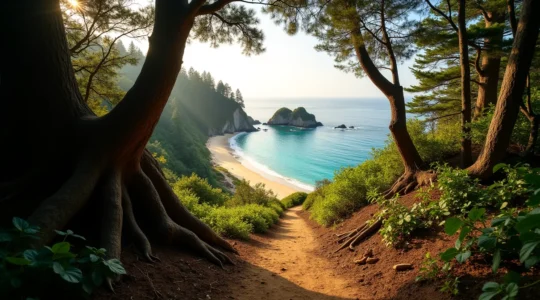
How to Reach the Secluded Beaches 99% of Tourists Will Never See
In summary: Finding a truly secluded beach is not luck; it’s a planned expedition requiring strategic reconnaissance and logistical knowledge. Your primary constraints are physical access, gear limitations, and environmental factors like tides, all of which can be managed with…
Read more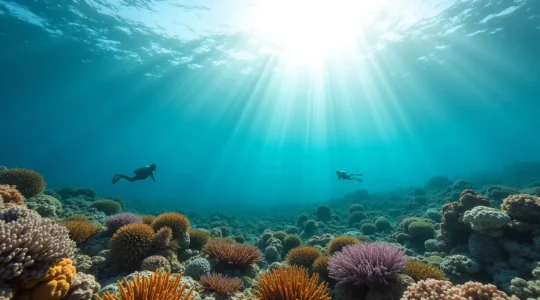
How to Visit Coral Reefs Without Damaging What You Came to See?
The greatest threats to coral reefs from well-intentioned visitors are often invisible, stemming from misunderstood chemical ingredients and subtle physical interactions. “Reef-safe” labels can be misleading; the key is to look for non-nano mineral ingredients and avoid a specific list…
Read more
How to Turn a Seaside Vacation Into an Active Wellness Retreat?
A truly restorative beach vacation is not a location you find, but a wellness system you design. Success depends on environmental engineering—strategically choosing towns with the right wellness infrastructure. Mastering bio-rhythmic training—timing your activity with natural cycles—is key to maximizing…
Read more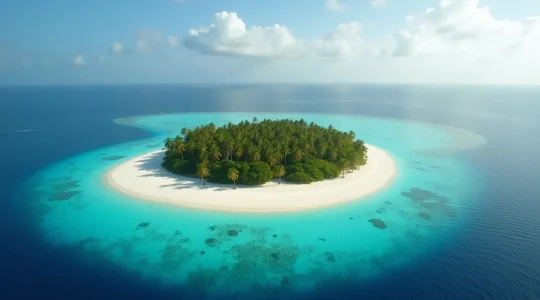
How to Choose an Exclusive Island Destination That Ensures Total Privacy?
Securing a truly private island experience depends less on the price tag and more on a strategic vetting of its operational privacy. “Private” is a marketing term; true seclusion is a ratio of space, staff, and guests that must be…
Read more
How to Visit Hawaii Respectfully Amidst Overtourism Concerns?
The key to visiting Hawaii without causing harm is to shift from a tourist’s mindset to one of kuleana—a deep sense of responsibility and privilege. Your actions, from where you spend your money to how you interact with the ocean,…
Read more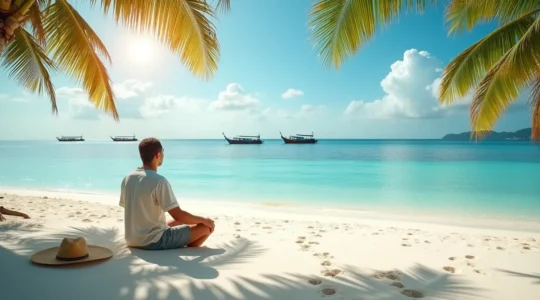
The Maldives on a $2000 Budget: The Ultimate Hacker’s Guide to Paradise
The iconic overwater bungalow experience in the Maldives is achievable for under $2,000—if you stop thinking like a tourist and start thinking like a hacker. Ditch expensive resorts for authentic local island guesthouses to cut accommodation and food costs by…
Read more