Adventures & Sports
Adventure travel has transformed from a niche pursuit into a mainstream way to experience the world. Whether you’re drawn to the rush of white-water rafting, the meditative challenge of multi-day trekking, or the thrill of paragliding over coastal cliffs, adventure sports offer travelers an immersive connection with landscapes and cultures that traditional tourism rarely provides. These experiences demand more than passive observation—they invite you to engage physically, mentally, and emotionally with your surroundings.
For those new to this style of travel, the variety of options can feel overwhelming. This comprehensive resource introduces you to the fundamental categories of adventure activities, explains how to assess your readiness, outlines essential safety considerations, and provides practical frameworks for planning your first or next adventure. The goal is to equip you with the knowledge to make informed choices that match your interests, fitness level, and comfort zone while prioritizing safety and sustainability.
What Makes Adventure Travel Different?
Adventure travel distinguishes itself through three core characteristics: physical activity, cultural immersion, and engagement with natural environments. Unlike conventional vacations centered on relaxation or sightseeing, these journeys require active participation and often push you beyond familiar comfort zones.
The Physical Component
Most adventure activities demand a baseline level of fitness and coordination. This doesn’t mean you need to be an elite athlete—many experiences cater to beginners—but you should realistically assess your physical capabilities. A five-day trek requires different preparation than a half-day kayaking excursion. The physical challenge itself becomes part of the reward, creating a sense of accomplishment that passive tourism rarely delivers.
Meaningful Destination Engagement
Adventure sports naturally bring you into closer contact with local communities and ecosystems. Climbing expeditions connect you with mountain guides who possess generational knowledge of terrain and weather patterns. Surf camps introduce you to coastal cultures shaped by ocean rhythms. This deeper engagement fosters understanding and respect that transcends typical tourist interactions.
The Element of Controlled Risk
Calculated risk creates the psychological edge that defines adventure. Whether navigating rapids, ascending rock faces, or mountain biking technical trails, these activities involve uncertainty managed through skill development, proper equipment, and expert guidance. Understanding this risk-reward balance is essential for choosing appropriate experiences.
Popular Adventure Sports for Travelers
Adventure activities span an enormous spectrum, but most fall into four elemental categories. Understanding these groupings helps you identify what resonates with your interests and abilities.
Water-Based Adventures
Aquatic activities range from tranquil to adrenaline-charged. Sea kayaking offers peaceful exploration of coastlines and marine ecosystems, accessible to most fitness levels with basic instruction. Scuba diving opens underwater worlds but requires certification and comfort in deep water. White-water rafting and kayaking provide graduated challenges from Class I (gentle) to Class V (expert-only) rapids. Surfing, kiteboarding, and stand-up paddleboarding combine physical challenge with wave-reading skills developed over time.
Mountain and Vertical Pursuits
Mountain environments host diverse activities suited to various skill levels. Trekking and hiking require primarily cardiovascular fitness and mental endurance, with routes ranging from day hikes to month-long expeditions like the Annapurna Circuit. Rock climbing—whether indoor, outdoor sport climbing, or traditional multi-pitch routes—demands upper body strength, problem-solving abilities, and comfort with heights. Mountaineering combines these elements with technical skills like glacier travel and high-altitude acclimatization. Mountain biking offers everything from scenic cross-country rides to gravity-defying downhill runs.
Aerial Activities
Air sports provide unique perspectives and distinctive thrills. Paragliding allows you to soar like birds using thermal currents, typically with tandem flights available for first-timers. Zip-lining offers accessible canopy-level experiences with minimal skill requirements. Skydiving delivers intense freefall followed by peaceful parachute descent. Hot air ballooning provides serene aerial views without the adrenaline spike. Each activity carries different risk profiles and physical demands worth researching thoroughly.
Land-Based Expeditions
Terrestrial adventures emphasize endurance and navigation. Multi-day bicycle touring combines physical challenge with cultural immersion as you pedal through varied landscapes. Safari expeditions blend adventure with wildlife observation, though the “adventure” aspect varies dramatically between luxury lodge stays and mobile camping. Desert trekking and camel expeditions test heat tolerance and self-sufficiency. Winter activities like cross-country skiing, snowshoeing, and backcountry skiing add seasonal dimensions to mountain and forest environments.
Preparing for Your First Adventure Experience
Successful adventure travel begins long before departure. Thoughtful preparation enhances safety, builds confidence, and maximizes enjoyment. Follow this progressive approach to set yourself up for success.
Honest Self-Assessment
Begin by evaluating three factors: your current fitness level, any physical limitations or health considerations, and your psychological comfort with the activity type. Someone afraid of heights should perhaps start with water sports rather than via ferrata climbing. If you haven’t exercised regularly in years, a demanding trek requires months of conditioning. Be honest with yourself—this isn’t about limitations but about choosing appropriate entry points that build confidence rather than create overwhelm or danger.
Skill Development and Training
Many adventure sports benefit from preliminary instruction. Consider these progressive steps:
- Take introductory courses locally (climbing gyms, pool scuba sessions, calm-water kayaking)
- Build relevant fitness through sport-specific training (hiking with loaded backpack, swimming laps, cycling distance)
- Practice in low-risk environments before committing to remote or challenging destinations
- Seek guided experiences for your first attempts at higher-risk activities
This gradual approach develops both physical capability and mental confidence, making your actual adventure far more enjoyable.
Destination and Operator Research
Not all adventure destinations or operators maintain equivalent safety standards. Investigate thoroughly by examining operator certifications, reading recent reviews from multiple sources, and understanding what’s included (guides, equipment, insurance, emergency protocols). Ask specific questions about guide-to-participant ratios, equipment age and maintenance, and contingency plans for weather or medical emergencies. Price alone should never determine your choice—budget operators may cut corners on safety equipment or guide training.
Safety and Equipment Essentials
Adventure sports carry inherent risks, but proper precautions dramatically reduce potential harm. Understanding safety principles and equipment functions is non-negotiable.
The Safety Mindset
Professional adventurers share a common trait: they take calculated risks, not reckless ones. This means recognizing when conditions exceed your abilities, listening to guides even when it means missing a summit or cutting an activity short, and never letting ego override judgment. Weather changes, equipment fails, and bodies fatigue—the best adventurers plan for these realities rather than hoping they won’t occur.
Core Equipment Categories
While specific gear varies by activity, certain categories apply broadly:
- Personal protection equipment: helmets, life jackets, harnesses, and padding appropriate to your activity
- Navigation tools: maps, compass, GPS devices, and the knowledge to use them
- Communication devices: mobile phones in waterproof cases, satellite messengers for remote areas, whistles for emergency signaling
- Environmental protection: clothing layers for temperature regulation, sun protection, rain gear, and proper footwear
- Emergency supplies: first aid kits, emergency shelter, fire-starting materials, extra food and water
Quality matters significantly with safety equipment. Rental gear from reputable operators often surpasses cheap purchased equipment, especially for activities you’ll do infrequently. However, certain personal items like properly fitted hiking boots or helmets warrant individual investment for comfort and safety.
Insurance and Emergency Protocols
Standard travel insurance often excludes adventure activities or limits coverage above certain altitudes. Purchase specialized adventure travel insurance that explicitly covers your planned activities and includes emergency evacuation from remote locations. Understand whether helicopter rescue is covered, what medical facilities exist near your destination, and how to activate emergency protocols. Share your itinerary with trusted contacts and establish check-in schedules for remote expeditions.
Choosing the Right Adventure Level
Adventure activities typically classify difficulty using rating systems, though these vary by sport and region. Understanding these classifications helps you select appropriate challenges.
Most grading systems consider multiple factors: technical skill requirements, physical fitness demands, environmental exposure, and commitment level (how difficult to retreat if conditions deteriorate). A “beginner” white-water rafting trip might still require swimming ability and moderate upper body strength. An “intermediate” climbing route assumes you’ve mastered fundamental techniques and rope work.
Start conservatively. Many adventurers find greater satisfaction in succeeding at a moderate challenge than struggling through an advanced one. You can always progress to harder difficulties once you’ve built a foundation. Pay attention to secondary factors beyond the primary grade: a technically easy trek becomes significantly harder at high altitude, in extreme heat, or over multiple consecutive days. Environmental conditions often matter as much as the route itself.
Guided experiences allow you to attempt higher difficulties safely while building skills. A guide manages navigation, risk assessment, and technical decisions, letting you focus on the physical and mental challenge. As competence grows, you can transition toward independent adventures that demand greater self-sufficiency.
Practical Considerations for Planning
Beyond safety and skill, several practical factors shape successful adventure travel.
Seasonal Timing
Many adventure destinations have narrow optimal windows. Monsoon seasons make trekking miserable or dangerous in some regions. Winter closes high mountain passes. Hurricane seasons threaten coastal water sports. Research climate patterns and peak seasons carefully—sometimes shoulder seasons offer better conditions with fewer crowds, while other activities demand precise timing for safety or feasibility.
Budget Realities
Adventure travel costs vary enormously. Independent trekking in some regions costs little beyond transportation and basic supplies, while guided expeditions with full support can run thousands per day. Consider these cost factors: specialized equipment rental or purchase, guide and porter fees, park or permit fees, travel to remote starting points, and insurance. Budget generously for contingencies—weather delays in mountain regions or unexpected equipment needs arise frequently.
Physical Acclimatization
High-altitude activities require gradual acclimatization to prevent altitude sickness. Rushing to elevation causes preventable suffering and can be life-threatening. Similarly, heat acclimatization takes time if you’re traveling from cool climates to desert or tropical environments. Build acclimatization days into your itinerary rather than maximizing activity days—you’ll enjoy the experience more and reduce health risks significantly.
Adventure travel offers profound rewards: physical challenges that build confidence, natural beauty that inspires awe,
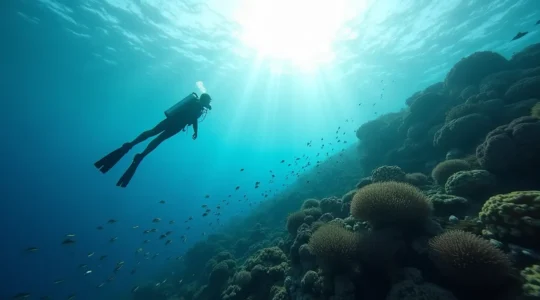
How to Identify Marine Life Like a Scientist (Without Disturbing a Thing)
True marine identification isn’t about memorizing flashcards; it’s about reading the ecological story unfolding before you. Analyze body shape and swimming behavior before color to quickly identify family groups. Understand that habitat structure, such as the complexity of branching corals,…
Read more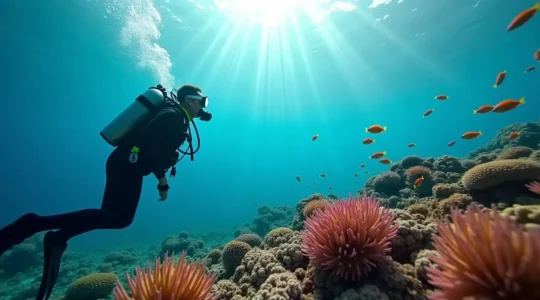
How to Prepare for Your First Scuba Dive: A Guide for Nervous Beginners
In summary: Mastering your first dive means understanding your body’s reaction to pressure and learning to control it, especially ear equalization. Prioritize buying a personal mask, fins, and dive computer for hygiene, comfort, and safety; rent expensive gear like regulators…
Read more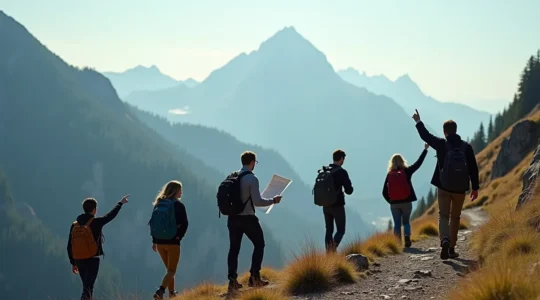
How to Improve Teamwork Coordination Through Group Travel Challenges?
Contrary to popular belief, team bonding isn’t forged over comfortable dinners but through intentionally designed shared adversity. Genuine trust emerges from navigating controlled chaos, not from structured, predictable social events. The goal is to dismantle professional masks by creating situations…
Read more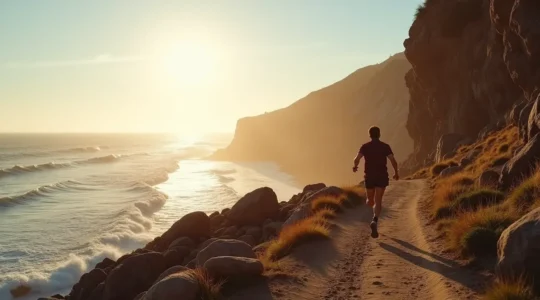
How to Use Spectacular Natural Settings to Push Your Physical Limits?
Most athletes see nature as a beautiful backdrop for their training. This is a mistake. True performance breakthroughs come not from the view, but from understanding how to use nature as an active training partner. This guide decodes the specific…
Read more
Ditch the Gym: How to Maintain Peak Physical Activity While Traveling
Forget the belief that staying fit on vacation means choosing between a stuffy hotel gym and losing your progress. The real secret is turning your travel environment into a dynamic, functional fitness playground. This guide reveals how to leverage simple…
Read more
How to Upgrade Your Snorkeling Experience From Amateur to Pro?
In summary: Most snorkeling frustrations stem from a misunderstanding of gear and physiology, not a lack of skill. Permanent mask fogging solutions involve removing manufacturing residue, a one-time process. Longer breath-holds are achieved by training your body to tolerate CO2,…
Read more
How to Start Marine Exploration Without Being a Certified Diver?
In summary: True marine exploration without a scuba certificate is possible by shifting from a tourist’s mindset to a naturalist’s approach. Modern technology like advanced glass-bottom boats and surface-supplied air systems offer deep, immersive experiences without certification. Developing “aquatic literacy”—understanding…
Read more
How to Hike Rugged Cliffs Safely: A Search & Rescue Guide to the Best Views
Forget generic advice like “stay from the edge.” True cliff safety for the adventurous hiker comes from learning to read the invisible language of the landscape. This guide, from a search and rescue perspective, teaches you to decode the geology,…
Read more
How to Visit Fragile Ecosystems Without Leaving a Negative Footprint?
Contrary to popular belief, ‘reef-safe’ labels and basic ‘Leave No Trace’ rules are not enough. True low-impact travel requires understanding the hidden ecological cascades your presence can trigger, from the nanoparticles in your sunscreen to the invisible spores on your…
Read more
How to Spot a Real Wildlife Sanctuary (and Avoid a Cruel Tourist Trap)
Most tourists judge a wildlife venue on what they see, but true ethics are hidden in an organization’s operational DNA. Genuine sanctuaries have a strict no-contact policy; any hands-on interaction is a major red flag for exploitation. Ethical vetting requires…
Read more