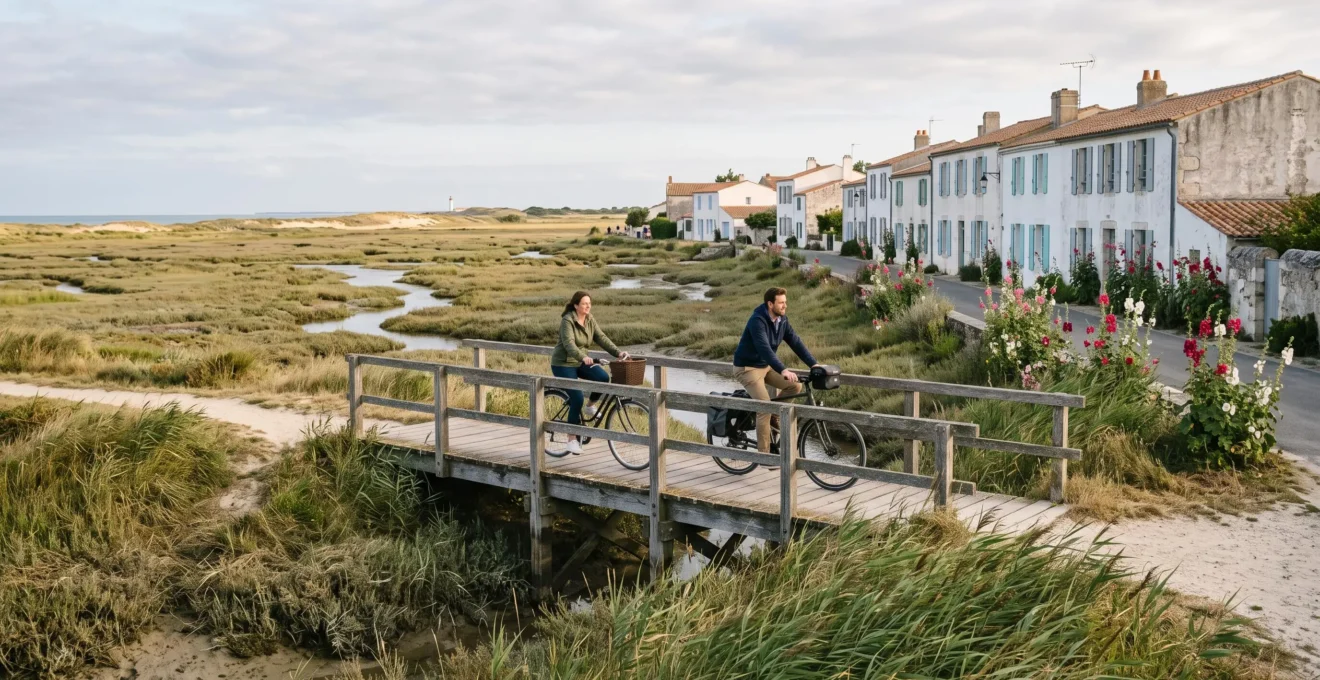
Direct answer: Spend 5 days on Île de Ré by organizing each day by area (east → center → west → north), so you see the key villages and beaches without bouncing back and forth across the island.
If it’s your first time here, the easiest way to plan a 5-day Île de Ré itinerary is to keep your days “clustered”: one zone per day, one main village, one beach moment, and one flexible slot for a market or a slow wander.
Below, you’ll find a day-by-day plan you can follow as-is, then the logistics (bridge access, getting around, and seasonality) so you don’t lose time on the practical stuff.
Your 5-day Île de Ré plan (by area, low-stress)
- Day 1 (East): Arrive via Rivedoux-Plage, first bike ride, easy beach time.
- Day 2 (Center): Saint-Martin-de-Ré for the port vibe + a long lunch + a slow afternoon.
- Day 3 (West): Ars-en-Ré and the west coast for big skies, dunes, and sunset.
- Day 4 (Mix): Pick your “second favorites” (a market + beach) and keep it flexible.
- Day 5 (Easy exit): Short morning loop, last coffee, departure.
Why Spend 5 Days on Île de Ré?
Yes—5 days is a great first-stay length if you plan by geography. You get time for the island’s classic rhythm: villages in the morning, beach or nature in the afternoon, and relaxed evenings without feeling like you’re “checking boxes.”
Île de Ré is compact, but it’s not a one-day destination. Each village has its own personality, and the coastline changes as you move from the bridge side (east) to the wilder stretches (west and north). With five days, you can see a good spread while still leaving space for slow moments—exactly what first holidays here should feel like.
The trick is to avoid zig-zagging. Instead of chasing “what’s best” every day, pick one main base area per day, then add a second stop only if it’s naturally on your route.
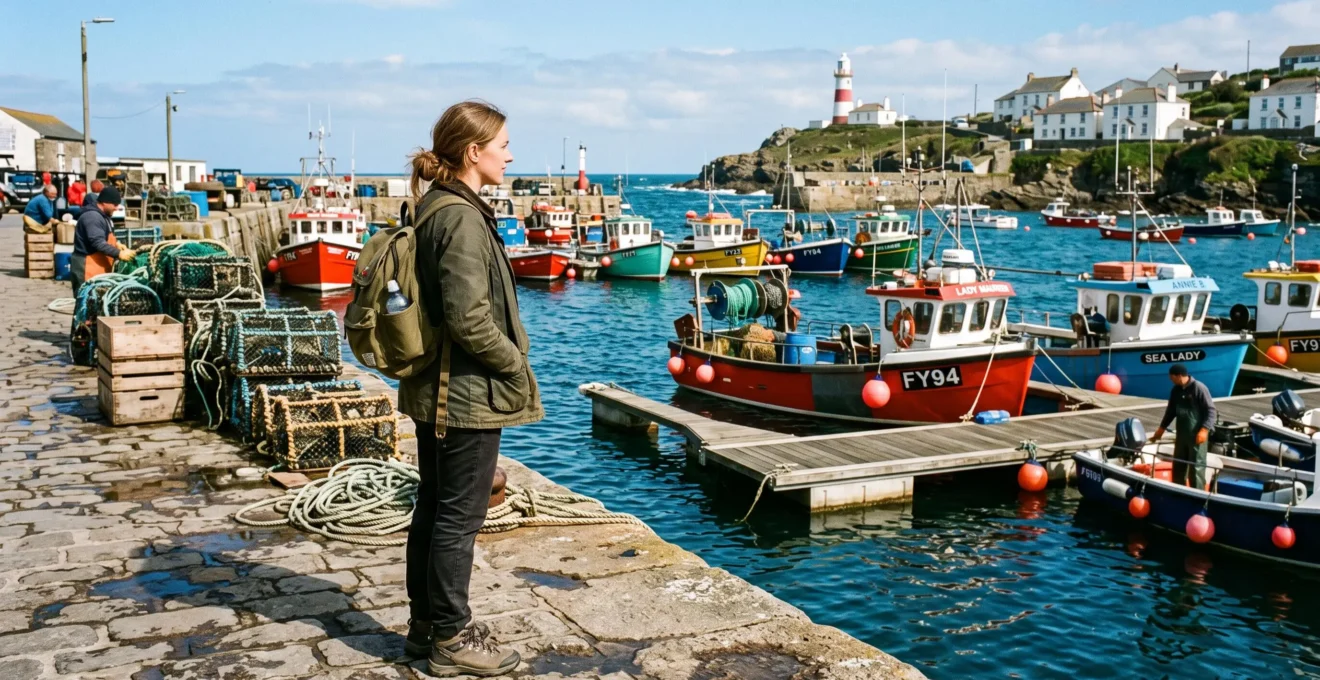
Which villages should be prioritized on a first visit? If you want a simple shortlist that fits five days without rushing, prioritize Rivedoux-Plage (easy first day on arrival), Saint-Martin-de-Ré (the classic port-town atmosphere), and Ars-en-Ré (west-coast scenery and a different feel). This trio spreads your time across the island instead of concentrating everything in one corner.
Keep it realistic: if you try to “collect” every village in five days, you’ll spend more time parking, cycling, and looking at maps than actually enjoying beaches and cafés.
Getting There and Getting Around
To get to Île de Ré, you typically enter via the bridge from the mainland. If you’re driving a light vehicle, be aware that the bridge toll uses seasonal pricing. The Department of Charente-Maritime (bridge operator) explains its tarification saisonnière du péage, with different periods across the year (since January 2025, as stated on the page).
How do you get around once you’re on the island? For most first-timers, the simplest combo is: bike for daily exploring, and a car only if you need it for arrival/departure or specific practical needs. The island is famously bike-friendly in spirit, but exact route details, rental availability, and temporary works can change—so check locally when you arrive.
If you’re visiting in peak season, expect more traffic and fuller parking near the most popular villages. That’s another reason a zone-by-zone itinerary works: it reduces “cross-island” trips when roads are busy.
| What you want | Bike-focused plan | Car-focused plan |
|---|---|---|
| Less time on logistics | Park once, explore locally each day | More parking stops; easier for quick hops |
| Village atmosphere | Easy to stop spontaneously | More constrained by parking availability |
| Flexibility with weather | Best with a rain plan (bus/taxi/day indoors) | Easier to switch spots quickly |
If your main worry is “Is it easy to get around without wasting time?”, the answer is yes—as long as you don’t plan mornings in the west and afternoons in the east on the same day. Keep your loops local.
Day-by-Day Itinerary: Villages, Beaches and Markets
This day-by-day itinerary is built for first-time visitors who want a complete feel of the island without overloading each day. Each day has a clear zone, a main village, and breathing room.
Day 1 (East): Rivedoux-Plage for an easy arrival day
Plan: arrive, settle in, then do a short walk or bike ride around Rivedoux-Plage. This keeps your first day light—especially if you’re arriving after a train/drive.
What to do: pick one beach moment (swim if the weather is right, or just a long walk), then finish with a simple dinner close to where you’re staying. If you’re travelling with kids or you’re tired, this “soft landing” makes the whole week smoother.
Day 2 (Center): Saint-Martin-de-Ré at a slow pace
Plan: spend your morning and early afternoon in Saint-Martin-de-Ré. It’s a place that rewards slow exploring: harbor views, little streets, and an easy café rhythm.
How to keep it stress-free: choose one “anchor” activity (harbor stroll, shopping streets, or a long lunch), and let the rest happen naturally. If you’ve brought a bike, add a gentle ride before heading back.
Day 3 (West): Ars-en-Ré and the wilder coast
Plan: head west and give the day to Ars-en-Ré and the open-coast feel around it. This is a good day for big landscapes: salt marsh vibes, dunes, and that sense of space you don’t always get near the bridge side.
Best flow: village first (while it’s cooler and calmer), then beach/nature time, then a sunset pause if the weather plays along.
Day 4 (Flexible): Markets + beach, adjusted to the season
This is your “choose your favorites” day. If you loved the harbor mood, do another central village morning; if you preferred the open coast, stay west. The only fixed idea: start with a market if it fits your timing, because it naturally structures a relaxed morning.
Market schedules change with the time of year. According to the official tourist office Destination Île de Ré, markets run daily from April to October, generally in the morning (“From April to October: markets open every day, generally in the morning.”). That’s on their page about horaires saisonniers des marchés rétais.
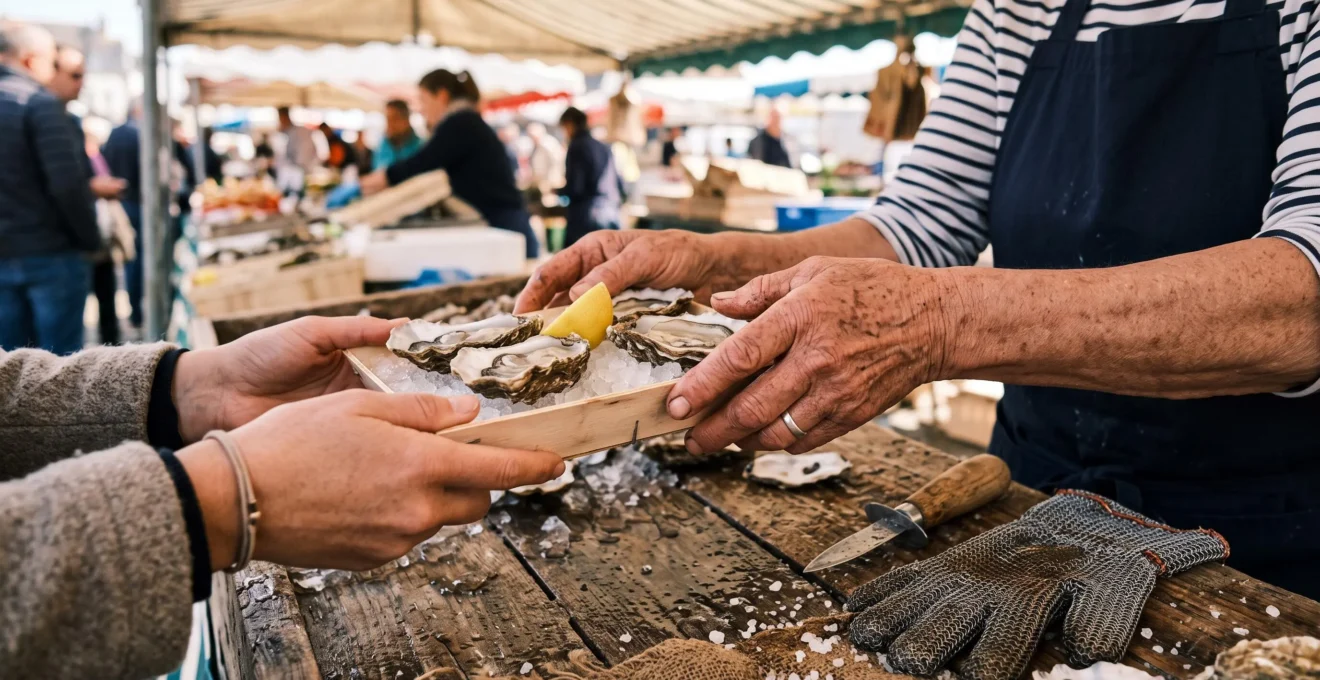
If you’re visiting outside that April–October window, plan to check the days per village when you arrive. The local authority (Communauté de communes de l’Île de Ré) notes that some markets operate year-round while others are mainly seasonal, on its page about marchés de l’île de Ré par commune.
Bad-weather swap (easy version): keep your market (covered halls are common in many places), then switch the beach part to a long lunch + a slow village walk when the rain eases.
Day 5 (Easy morning): one last loop, then departure
Plan: keep the morning short and close to where you’re staying: coffee, a final walk, maybe a last photo stop. If you’re driving out, build in extra time in summer—departures can be slower simply because more people are moving around at the same time.
This is also the day to buy small take-home food items at a morning market if it’s open near you (and if it fits your luggage). Keep it simple—your goal is to leave relaxed, not rushed.
Practical Tips for a Smooth Stay
How does seasonality affect the itinerary? Mostly through crowds and opening patterns. In peak summer, you’ll want earlier starts for popular villages and a “one zone per day” plan to reduce time lost to traffic and parking. Outside summer, the island can feel calmer, but some places (including markets) may run on reduced schedules depending on the village.
If you’re coming in high season, book accommodation earlier rather than later, especially if you have specific needs (parking, bike storage, or a very central location). If you’re travelling in shoulder season, you’ll likely have more freedom to be spontaneous, but you should still double-check opening hours once on the island.
- Pick one “main village” per day
That’s your anchor. Everything else is optional and nearby.
- Do the market in the morning (when it fits)
It gives you breakfast/lunch options and sets a relaxed pace.
- Keep one open slot
Use it for beach time, a nap, or an unplanned detour—this is what makes the trip feel like a holiday.
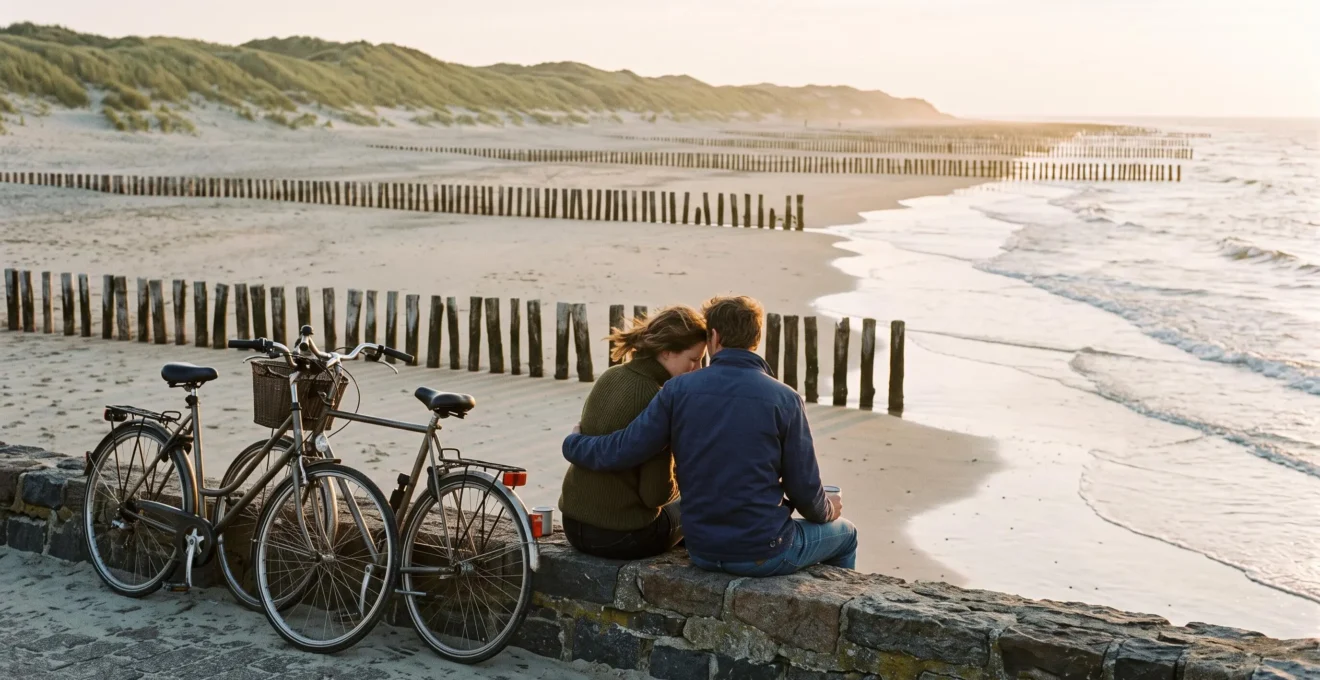
If you feel your itinerary is getting too packed, the fastest fix is to remove the “extra village” each day. You’ll still see the essentials, and you’ll actually have time to enjoy a beach without watching the clock.
What is the best 5-day Île de Ré itinerary for first-time visitors?
The best approach is to plan by area: start in the east (arrival day in Rivedoux-Plage), take one full day for Saint-Martin-de-Ré (center), one for Ars-en-Ré and the west coast, keep one flexible day for a market + beach, then finish with a short final morning. This avoids backtracking and keeps the pace realistic.
How do you plan 5 days on Île de Ré during peak tourist season?
Start earlier in the day, reduce cross-island trips, and keep each day to one main village plus one beach/nature slot nearby. In summer, also plan for slower parking and traffic near the most popular spots, and keep your Day 4 flexible so you can adapt.
Which Île de Ré villages can you visit in 5 days without rushing?
A realistic first-timer set is Rivedoux-Plage, Saint-Martin-de-Ré, and Ars-en-Ré, plus one or two “bonus” villages based on where you’re staying. The key is not the total number—it’s keeping visits grouped so you spend more time walking and less time moving.
Planning Your Own Île de Ré Escape
If you want to build your own version of this trip, do it in this order: choose where you’ll sleep (east/center/west), sketch your days by zone, then add just one “must-do” per day. That’s the simplest way to keep your 5 days on Île de Ré feeling complete without turning into a race.
If your broader goal is a quieter, more private island-style break (beyond this specific destination), you can also read our advice on choosing a private island.
Whatever your dates, keep one final step before you lock everything in: quickly verify transport details and current local schedules (especially in the off-season). That small check is often what makes the difference between a smooth, five-day island escape and a trip full of minor surprises.